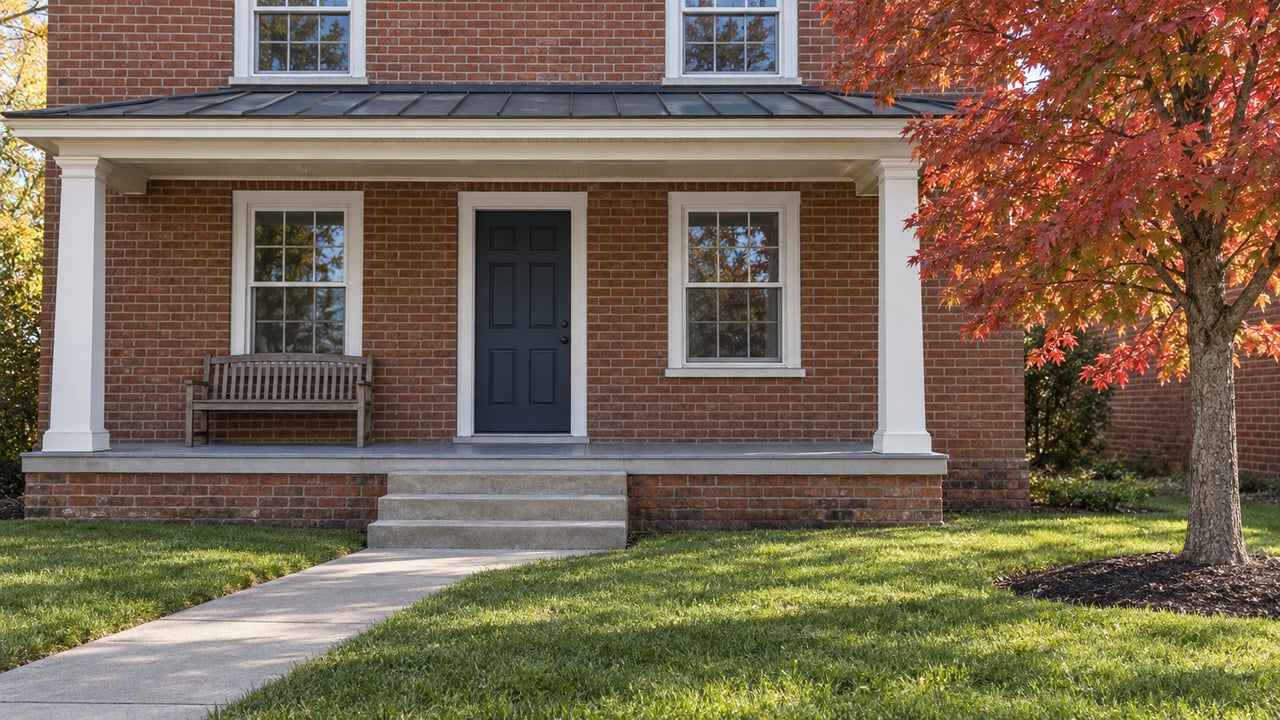
Picture two houses on opposite ends of the same rural road outside Shippensburg. Same era, same square footage, same asking price range. One sits inside Shippensburg Borough. The other sits a half mile past the borough line in Shippensburg Township. On paper, in every listing sheet a buyer will ever see, they look identical.
They are not. One of these sales can close with a standard home inspection and a title search. The other may involve inspections, permits, and paperwork related to its septic system. If you're comparing homes in this corner of the Cumberland Valley, that borough line matters more than square footage.
The Line The Listing Sheet Doesn't Show
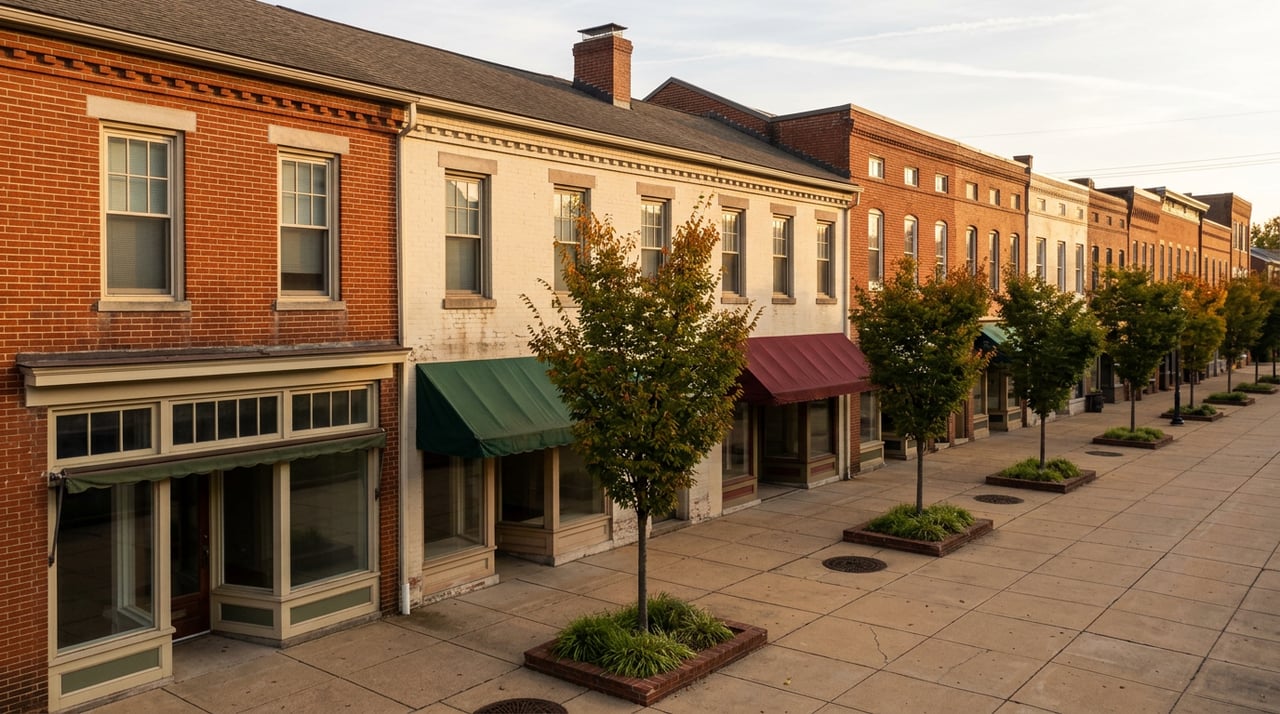
Shippensburg Borough runs on public infrastructure. Water comes from the Shippensburg Borough Authority, and sewage flows to the Cumberland/Franklin Joint Municipal Authority, which operates a wastewater treatment plant designed to handle an average of 3.3 million gallons a day using biological nitrification and chemical phosphorus treatment. If your future address falls inside the borough, you will never think about a septic tank or a private well. You flip a switch and it's someone else's system to maintain.
Step outside that boundary into Shippensburg Township or neighboring Southampton Township, and the picture changes entirely. Homes there rely on private wells for drinking water and on-lot septic systems for wastewater. Roughly 22 percent of Pennsylvania households live this way, and in the townships ringing Shippensburg, that share is closer to the norm than the exception. Nobody flips a switch. Somebody owns the tank, the drainfield, and the responsibility that comes with them.
That distinction doesn't show up in a property description. It shows up at closing, in the form of inspections, permits, and paperwork that only apply on one side of the line.
What The Townships Actually Require
Both Shippensburg Township and Southampton Township have adopted on-lot sewage management ordinances, and both settle on the same core requirement: any building served by a septic system must have its tank pumped by a licensed hauler at least once every three years. Southampton Township goes further, dividing the township into sections and pumping one zone per year on a rotating three-year cycle, so a homeowner's pump-out schedule depends on which zone their property falls into.
These aren't loosely enforced guidelines. No occupancy permit is granted in Shippensburg Township until the on-lot system has been finally inspected and signed off by the township's Sewage Enforcement Officer. If a system malfunctions, the township can require the owner to correct it.
Franklin County's Cumberland Valley sits on limestone bedrock, and that geology adds a wrinkle few buyers think to ask about. Karst features like sinkholes and disappearing streams show up across the region, and they can complicate where a drainfield is legally allowed to go and how much risk exists for groundwater contamination if a system fails. A soil test that looks fine on a flat suburban lot can turn up limiting factors here that don't exist twenty minutes away.
Why There's No State Law To Fall Back On
Here's the part that surprises most buyers and sellers moving between these towns. According to Septic & Well Pro, Pennsylvania has no statewide law requiring a septic inspection at the point of sale. The decision is left entirely to each municipality. Some townships and boroughs mandate a full inspection before a property changes hands. Others require nothing at all. The only way to know for certain is to ask the local Sewage Enforcement Officer, because the answer for a house in Shippensburg Township can be completely different from the answer for a house one township over.
Septic & Well Pro says Pennsylvania's disclosure law does require sellers to reveal known material defects, and the standard disclosure form asks directly about the sewage system: its type, its age, and the date it was last pumped. That obligation applies everywhere. What varies is whether an independent inspection happens on top of that disclosure, and that variation is set at the township level, not the state level.
Lenders add their own layer. FHA and VA loans almost always require proof that a septic system functions properly before they'll fund a purchase, regardless of what the local ordinance says. A conventional loan may not require it at all, unless something during the process raises a flag.
What An Inspection Actually Checks And Costs
A real septic evaluation goes well past lifting the tank lid. A Sewage Enforcement Officer or certified inspector locates and pumps the tank to examine its interior condition, checks the baffles and walls for cracks, and measures the sludge and scum layers to see how well the system has been maintained. Then comes the drainfield evaluation: walking the area for standing water, unusually green patches, or signs of surfacing effluent, sometimes followed by a hydraulic load test that runs a measured volume of water through the system over two consecutive days to see how the absorption area handles it.
| Item | Typical range | Who usually pays |
|---|---|---|
| Septic pump-out (PA average) | $300 to $600 | Seller, as part of routine maintenance |
| Full septic inspection with pumping | $300 to $600 | Buyer, if voluntary; seller if township-mandated |
| Well water potability test | A few hundred dollars combined with septic work | Buyer, typically, unless local custom differs |
| Standard inspection duration | 2 to 4 hours | N/A |
The listed costs are negotiable in the purchase agreement, and clarifying who pays before you're deep into a contract avoids a surprise at the settlement table.
The Inspection Buyers Forget: The Well
Septic gets the attention because it's tied to local ordinances, but a private well is a separate system with its own testing requirement, and it's easy to overlook. A lab checks the water for bacteria and chemical contaminants, and for a sale, the panel a lender wants typically centers on total coliform bacteria and nitrates. A basic panel is inexpensive at a certified lab, but timing matters more than sellers expect. A septic inspection can usually be scheduled within a week or two, but well results can take several business days, and a failed bacteria test means shock-chlorinating the well, waiting, and retesting before you can close. Building two to three weeks of cushion into the contract keeps a slow lab from delaying settlement.
Local companies handle both sides of this work. Rosenberry's Superior Septic Services, based in Shippensburg, has served the region for more than 60 years with septic pumping, installation, and real estate inspections. MCJ Home Inspection, also based in Shippensburg, offers detailed septic evaluations alongside standard home inspections, including a look at tank structure and sludge levels. A and K Plumbing has serviced commercial and residential septic systems in the Shippensburg area for more than 30 years. Any of these are worth a call before you list or make an offer on a township property, simply to understand what condition the system is actually in before it becomes a negotiating point.
A Pre-Listing Checklist For Township Sellers
If your home sits outside the borough line, a little preparation before you list changes the tone of every conversation that follows.
- Pull your pump-out records. If your tank hasn't been serviced in the last three years, schedule it before you list rather than during someone else's due diligence period.
- Confirm your zone and cycle with the township office if you're in Southampton Township, so you know your obligation before a buyer's inspector finds out for you.
- Book a well water test early. A failed result needs time to correct, and a fresh clean report is worth more to a buyer than your word.
- Walk your drainfield in dry weather. Lush green patches or standing water are the first things an inspector will notice, and the first things you can address on your own timeline.
- Fill out the state disclosure form honestly, including system type, age, and last pump date. A folder of maintenance receipts next to that form does more to reassure a buyer than any repair you could make after the fact.
FAQ
Which services serve homes inside Shippensburg Borough? Homes inside the borough are served by the Shippensburg Borough Authority for water and the Cumberland/Franklin Joint Municipal Authority for sewer.
What if my septic system predates the township ordinance? The ordinances apply going forward regardless of when the system was installed. An older system that has never been pumped on the required schedule can still be brought into compliance, but it's worth doing that before a buyer's inspection turns it into a closing delay.
Who decides if my township requires a point-of-sale inspection? Your municipality does, not the state. Contact your township's Sewage Enforcement Officer directly rather than assuming the rule that applies to a neighboring town applies to yours.
Whether you're comparing a borough listing to a township listing or getting ready to sell a home with a septic system of its own, the details that matter most are rarely the ones printed on the listing sheet. If you're weighing a move in or around Shippensburg and want a clear read on what a specific property actually requires before closing, Lisa Mack can walk you through it, and a free home valuation is a good place to start the conversation.
This article is general information, not legal, tax or financial advice. Consult a qualified professional about your situation.