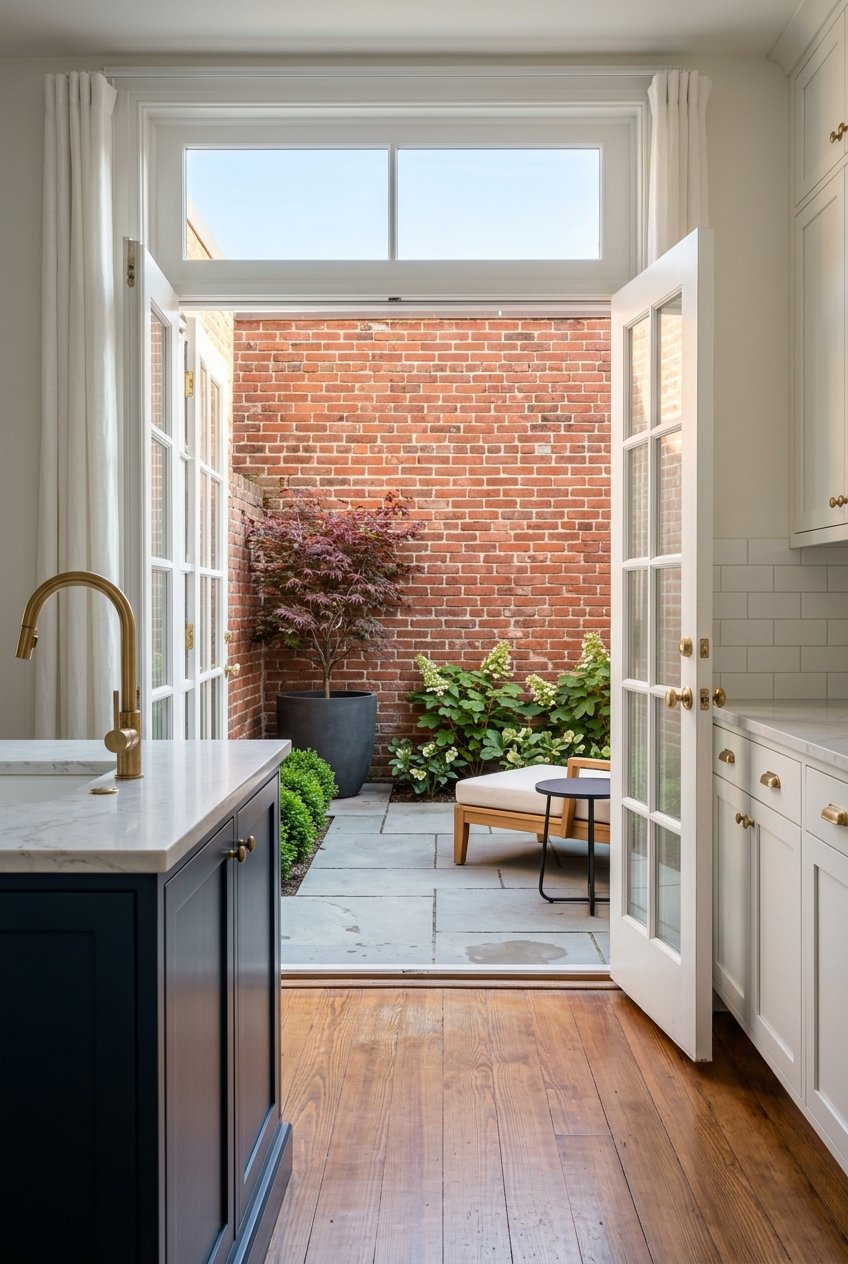
Trying to choose between a character-filled older home and a turnkey new build in Chambersburg? You are not alone. Many buyers find themselves weighing charm, price, maintenance, and location all at once. The good news is that Chambersburg offers both options, and each comes with real advantages depending on how you want to live. Let’s break down what historic charm and newer construction can really mean in this market.
Why Chambersburg Offers Both
Chambersburg is shaped by both preservation and growth. The borough’s planning materials emphasize preserving historic resources, revitalizing downtown and older neighborhoods, and supporting affordable housing and public services in town. That helps explain why you can still find homes with deep architectural character close to the borough core while also seeing newer residential development on the outskirts, according to Chambersburg Borough planning information.
The town’s history also plays a role in its housing mix. The National Park Service listing for Pennsylvania historic places notes that the Chambersburg Historic District is on the National Register of Historic Places, and local history coverage explains that downtown was burned in 1864 and rebuilt. As a result, the housing stock in and around downtown can feel layered and varied rather than uniform.
Historic Homes in Chambersburg
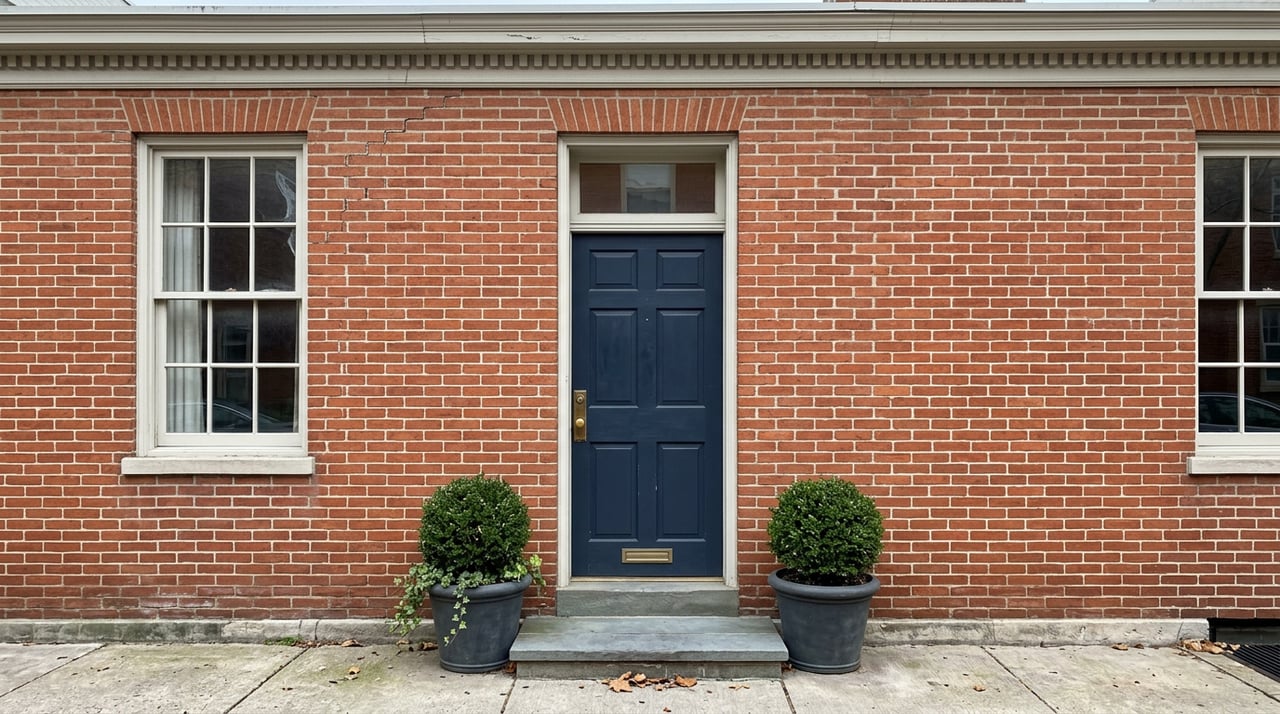
If you are drawn to older homes, downtown Chambersburg can offer a very different experience from a newer subdivision. Historic homes here often reflect Pennsylvania building traditions such as Federal, Italianate, and Queen Anne styles. The Pennsylvania Historical & Museum Commission describes Federal homes as symmetrical and often brick, Italianate homes as having bracketed cornices and tall narrow windows, and Queen Anne homes as more decorative and asymmetrical.
In everyday terms, that can mean original brick exteriors, detailed trim, porches, tall windows, and a streetscape with more variety from one home to the next. Local coverage of the historic district points to a mix of older brick townhouses, later 19th-century commercial buildings, and infill around the downtown core. If you value a sense of place and architectural variety, this part of Chambersburg may appeal to you.
What Historic Charm Looks Like in Real Listings
One of the biggest surprises for buyers is how broad the historic-home category can be. Current listing examples in and around the historic district range from lower-cost renovation opportunities to more polished move-in-ready homes. That means “historic charm” does not always mean the same thing from one property to another.
For example, Redfin listing examples include a 2-bedroom home at 123 W King St listed at $139,900 that is being sold as-is and needs renovations. Other examples include 241 N Franklin St at $190,000, 425 Lincoln Way West at $295,000 built in 1900, and 530 E Catherine St at $339,000 built in 1913, based on current historic district listing snapshots. For you as a buyer, that means the real decision is often less about age alone and more about your comfort with updates, repairs, and ongoing upkeep.
Historic Homes May Offer Lower Entry Pricing
Public market snapshots suggest that in-town historic areas can come in at lower price points than newer edge-of-town housing, though the numbers should be treated as directional. Realtor reports a median list price of $335K for Chambersburg overall, with median home prices of $248,900 in ZIP 17201 and $379,900 in ZIP 17202. Realtor also shows a small number of listings specifically in the historic district and downtown, while Redfin’s district-level data show a median sale price of $180K last month in the Chambersburg Historic District, according to Chambersburg market data.
That does not mean every older home is a bargain. It does mean you may find more price variety downtown, especially if you are open to a home that needs work. In some cases, you are trading a lower upfront price for renovation time, uncertainty, or future maintenance.
New Builds Around Chambersburg
If your top priority is convenience, newer construction may feel like the better fit. In Chambersburg, newer housing is more concentrated in ZIP 17202 and in communities on the outskirts rather than in the historic core. These homes tend to appeal to buyers who want modern layouts, newer systems, and less near-term maintenance.
Warm Springs Ridge is one example of this newer-home option. It is described as a brand-new community in Chambersburg with prices starting at $341,900, floor plans from about 1,217 to 1,809 square feet, and 25 homesites ranging from 0.28 to 1.5 acres, according to community information for Warm Springs Ridge. Redfin also labels the community as car-dependent, with a Walk Score of 20 out of 100.
Specific listings in Warm Springs Ridge include a 3-bedroom, 2-bath home at $341,900 and a 3-bedroom, 2.5-bath home at $399,900, with other plans reaching into the $400,000s and higher. That pricing pattern suggests you are paying for new construction, newer systems, larger lots, and a more predictable ownership experience.
Newer Communities Emphasize Turnkey Living
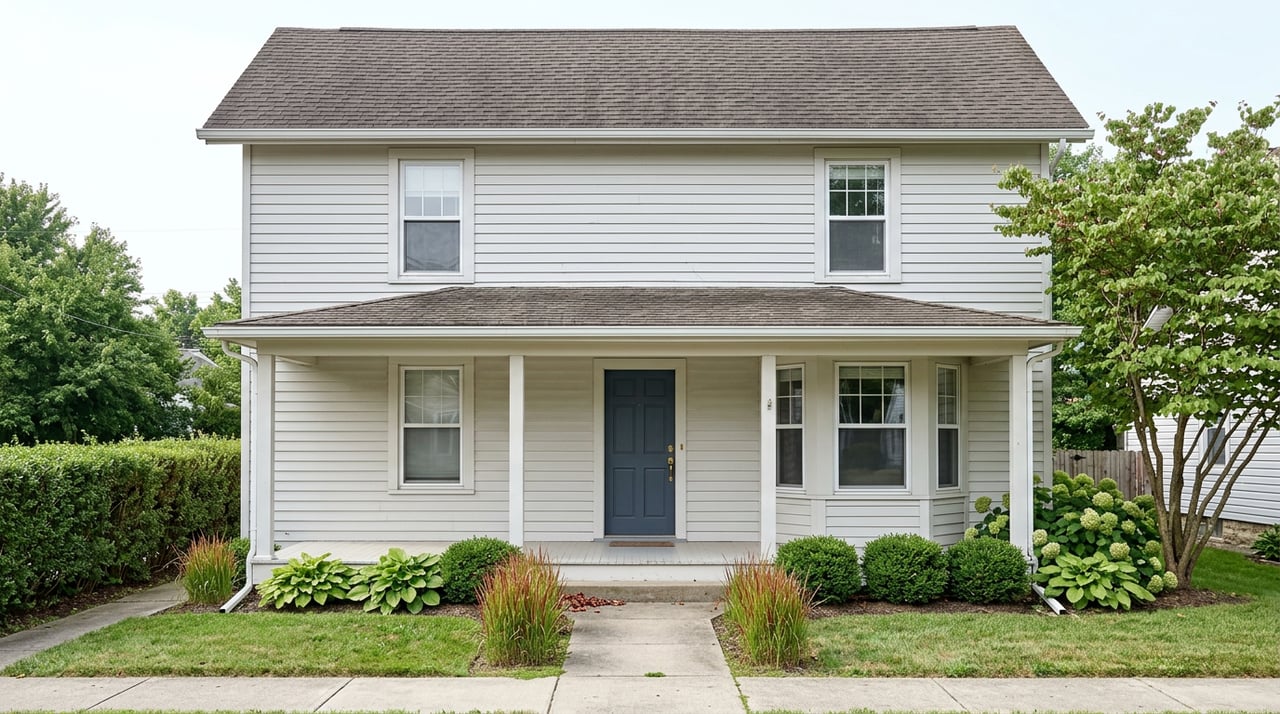
Spring View Farms is another newer community in the 17202 area. Its builder description highlights craftsman-style homes, open-concept interiors, porches, architectural details, and low-maintenance living, and places the community about 5 miles from downtown Chambersburg, according to the Spring View Farms community page.
Combined with Realtor’s report of a $379,900 median home price in ZIP 17202, the edge-of-town market appears to lean higher in price but lower in renovation uncertainty. If you want something more move-in ready, this side of the market may offer the simpler path.
How to Compare Old vs New
The best choice usually comes down to your budget, timeline, and tolerance for projects. Historic homes often offer more architectural character and a more established in-town setting. Newer homes often offer more predictable maintenance, more modern layouts, and less immediate repair risk.
Here is a simple way to think about it:
| Home Style | You May Like It If... | Trade-Offs to Consider |
|---|---|---|
| Historic in-town home | You want charm, variety, and possible lower entry pricing | Repairs, permit research, and uneven condition from one home to the next |
| Newer edge-of-town home | You want turnkey living, newer systems, and modern floor plans | Higher upfront pricing and a more car-dependent setting |
This is why the choice is not really “better” versus “worse.” It is character and renovation variability versus turnkey convenience and newer systems.
What to Check Before Buying a Historic Home
If you are considering an older home in Chambersburg, due diligence matters. A home being in or near a historic district does not automatically mean the same rules apply to every property. The National Register FAQ explains that National Register listing by itself does not place restrictions on what a private owner can do, but state or local laws may still apply.
That distinction is important. Pennsylvania notes that local historic districts can involve review by a Historic Architectural Review Board and require a Certificate of Appropriateness if a municipality has adopted that framework. Before you budget for exterior updates, it makes sense to verify the property’s exact designation and whether any local review applies.
You should also plan for permits. Chambersburg Borough’s permit information says additions or remodeling of existing buildings generally require a Land Use or Use & Occupancy permit, and new lots or subdivision changes may require additional review. Even a straightforward project may involve paperwork, so it is smart to ask those questions early.
What to Know About Tax Credits and Costs
Many buyers assume a historic home comes with tax credits, but that is usually not the case for an owner-occupied property. The Pennsylvania Historic Preservation Tax Credit guidance says tax-credit programs are aimed at certified historic buildings in income-producing use and are not available to private homeowners. If you plan to live in the home yourself, you should keep expectations modest on that front.
There is one cost note that may matter if you are comparing in-borough and outlying options. Chambersburg Borough says residents inside the borough who have both electric and gas service can save as much as $2,000 per year compared with similar customers outside the borough, based on borough utility and tax information. Actual savings will depend on service territory and household usage, but it is still a useful factor to consider when you compare monthly ownership costs.
Which Home Style Fits You Best?
A historic Chambersburg home may be the right fit if you love original details, want a more established in-town setting, and are comfortable with some maintenance or renovation. A newer home may make more sense if you prefer open layouts, lower near-term upkeep, and a more move-in-ready experience.
The key is to match the home to your lifestyle, not just your wish list. If you are buying your first home, moving up, or downsizing, it helps to look beyond photos and ask practical questions about condition, permits, location, and long-term costs. When you do that, the right answer usually becomes much clearer.
If you want help comparing historic homes and newer builds in Chambersburg, Lisa Mack can help you sort through your options with local insight and a clear strategy that fits your goals.
FAQs
What is the difference between historic homes and new builds in Chambersburg?
- Historic homes in Chambersburg often offer architectural character, varied streetscapes, and a wider range of price points, while newer builds typically offer modern layouts, newer systems, and a more turnkey ownership experience.
Are historic homes in Chambersburg usually cheaper than new construction?
- They can be, but not always. Current market snapshots suggest lower pricing in some in-town areas such as ZIP 17201 compared with 17202, but condition and renovation needs play a major role.
Can you renovate a historic home in Chambersburg without restrictions?
- Not necessarily. National Register status alone does not impose federal restrictions on a private owner, but local rules or review requirements may still apply depending on the property.
Are there tax credits for owner-occupied historic homes in Chambersburg?
- Usually no. Pennsylvania says historic tax-credit programs are generally for certified income-producing historic properties, not private owner-occupied homes.
What should you check before buying an older home in Chambersburg?
- You should verify the property’s exact historic designation, ask about permit requirements, review the likely repair scope, and compare whether the price reflects cosmetic updates or larger structural or mechanical work.
Where are newer homes in the Chambersburg area most common?
- Public market snapshots and builder pages show a stronger concentration of newer housing in ZIP 17202 and in communities such as Warm Springs Ridge and Spring View Farms.