Ever wonder why some homes stop your scroll while others get skipped in seconds? If you are getting ready to sell in Shippensburg, your online listing has to do more than show rooms. It needs to help buyers picture the layout, the light, and how the home lives day to day. A smart staging plan can do exactly that, and it does not have to feel overdone. Let’s dive in.
Why online appeal matters in Shippensburg
In Shippensburg, buyers are not looking at your home in a vacuum. Cumberland County had 317 new listings and 421 active listings in March 2026, with a median sold price of $322,250 and an average of 33 days on market. That means buyers often have enough options to compare homes carefully before deciding which ones deserve an in-person visit.
That first impression usually happens on a screen. National buyer research from 2025 found that among buyers who used the internet, 83% said photos were very useful, 79% said detailed property information was very useful, 57% valued floor plans, and 41% valued virtual tours. In other words, your home needs to look clear, polished, and easy to understand online.
Shippensburg also has a distinct local backdrop. The borough is one of the oldest communities in the Cumberland Valley, with a historic district and a mix of older architectural styles. If your home has visible character like original trim, masonry, a porch, or a staircase with period detail, those features can become part of your online appeal when they are presented well.
What buyers notice first online
Most buyers begin with a mental checklist. In 2025 research, 79% said they already had ideas about where they wanted to live, and 76% already had ideas about their ideal home before starting the search. That means your listing photos and presentation need to confirm fit quickly.
Staging helps buyers make that connection. In NAR’s 2025 staging report, 83% of buyers’ agents said staging made it easier for buyers to visualize a home as a future residence. Another 60% said staging affected most buyers’ views of the home most of the time.
The key is to look polished, not artificial. Research also showed that 58% of respondents said buyers were disappointed when homes looked less finished in person than staged homes they saw on TV. The goal is a clean, believable, move-in-ready look that photographs well and still feels honest when buyers walk through the door.
Start with the three top rooms
If you are wondering where to begin, focus first on the rooms that matter most in listing photos. NAR ranked the living room, primary bedroom, and kitchen as the highest-priority spaces to stage. That gives you a practical roadmap.
Stage the living room first
Your living room often sets the tone for the whole listing. It should feel open, bright, and easy to move through. Remove extra chairs, bulky side tables, or anything that breaks up sightlines.
Try to create one clear focal point, like a fireplace, a large window, or a simple seating area. When the room reads clearly in photos, buyers can better understand scale and layout. A crowded room may feel smaller online than it does in person.
Simplify the primary bedroom
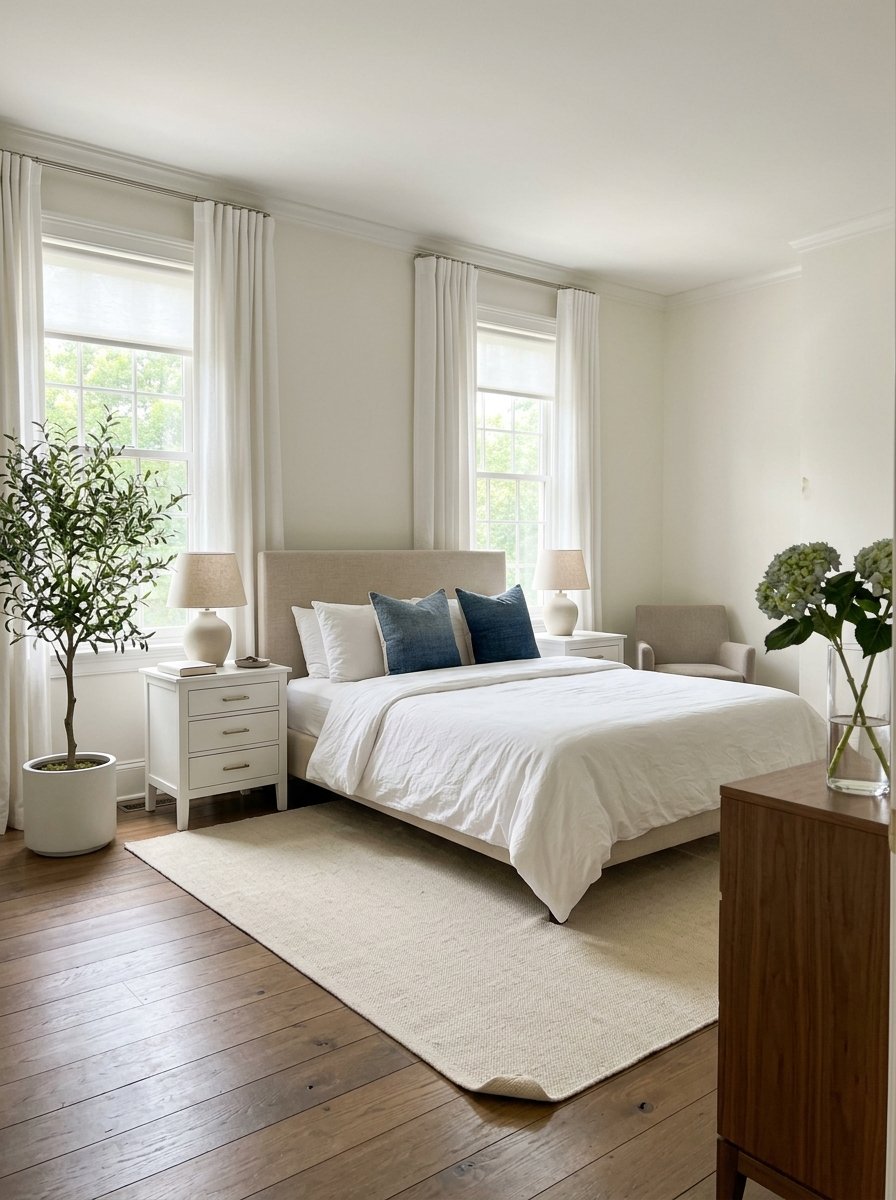
The primary bedroom should feel restful and spacious. Neutral bedding, matching lamps, and simple nightstands usually photograph better than lots of patterns, personal items, or extra furniture. You want the room to feel calm, not busy.
If the room is tight, remove any bench, chair, or dresser that is not essential. The best bedroom photos show floor space, symmetry, and light. Crisp bedding and clear surfaces go a long way.
Clear the kitchen completely
Kitchens carry a lot of weight in online listings. Clear the counters, put away small appliances, and keep the sink area spotless. Buyers should notice workspace, storage, and flow, not a toaster, mail pile, or drying rack.
If you have an island or dining nook, make sure it looks intentional. A simple place setting or a clean stool arrangement can help define the function of the space. The room should feel ready to use, not mid-task.
Use a simple staging sequence
Staging gets easier when you stop thinking about decor and start thinking about visuals. A practical order is to open the room, simplify the furniture, and remove distractions. That process works in almost every room of the house.
Use this checklist as you move room by room:
- Open the room by removing anything that blocks pathways or windows
- Simplify furniture so the room’s purpose is easy to read
- Remove items that distract from scale, light, or layout
- Clear surfaces so buyers focus on the room, not your belongings
- Add only a few finishing touches, like fresh towels or neat bedding
This approach helps your home look larger, lighter, and more functional in photos. It also makes showings easier because the house stays easier to maintain.
Do not ignore secondary spaces
After the top three rooms, turn your attention to bathrooms, office or flex spaces, and outdoor areas. These spaces were staged less often than main rooms in 2025 research, but they still ranked above guest and children’s bedrooms. That makes them worth your attention.
Refresh bathrooms
Bathrooms should feel clean, bright, and simple. Put away bottles, extra mats, and too much decor. Fresh towels, a clear vanity, and a clean mirror can make even a small bathroom look more spacious online.
Define office and flex rooms
If you have a spare room, give it a clear purpose before photos. A desk and chair can show a usable work area. If the room is currently a storage zone, clear it out so buyers can understand how it could function.
Tidy porches and patios
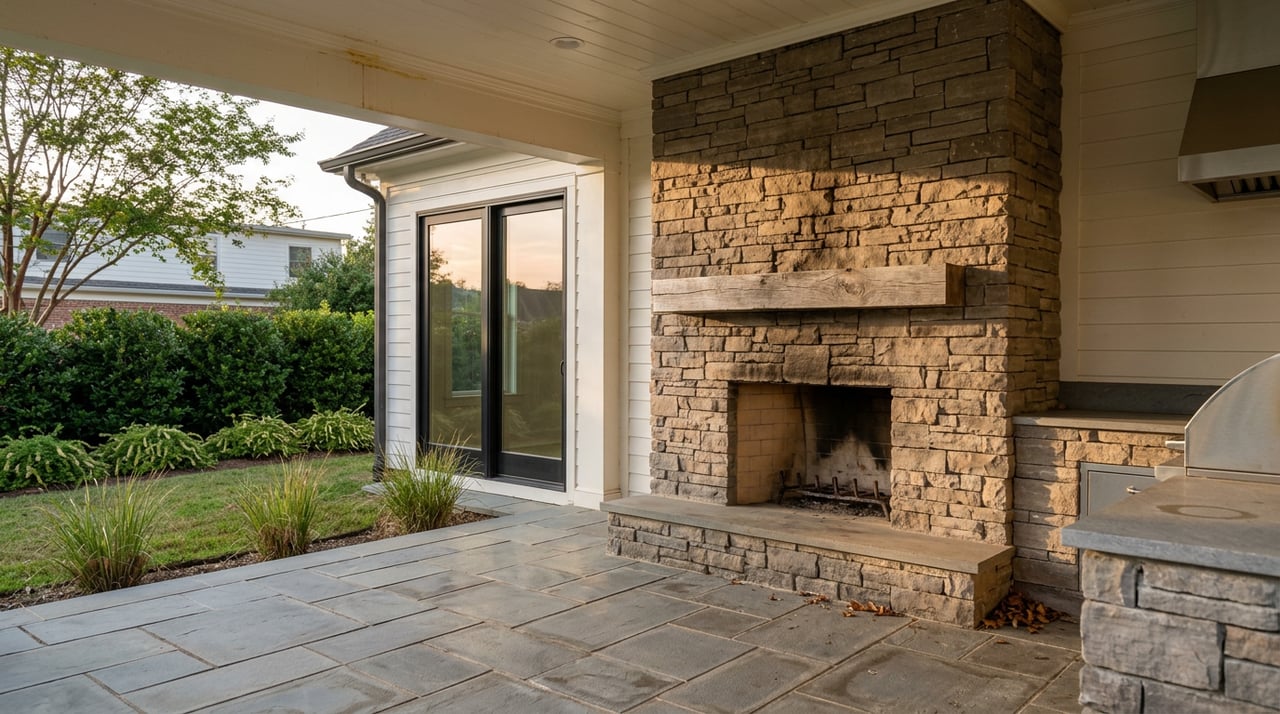
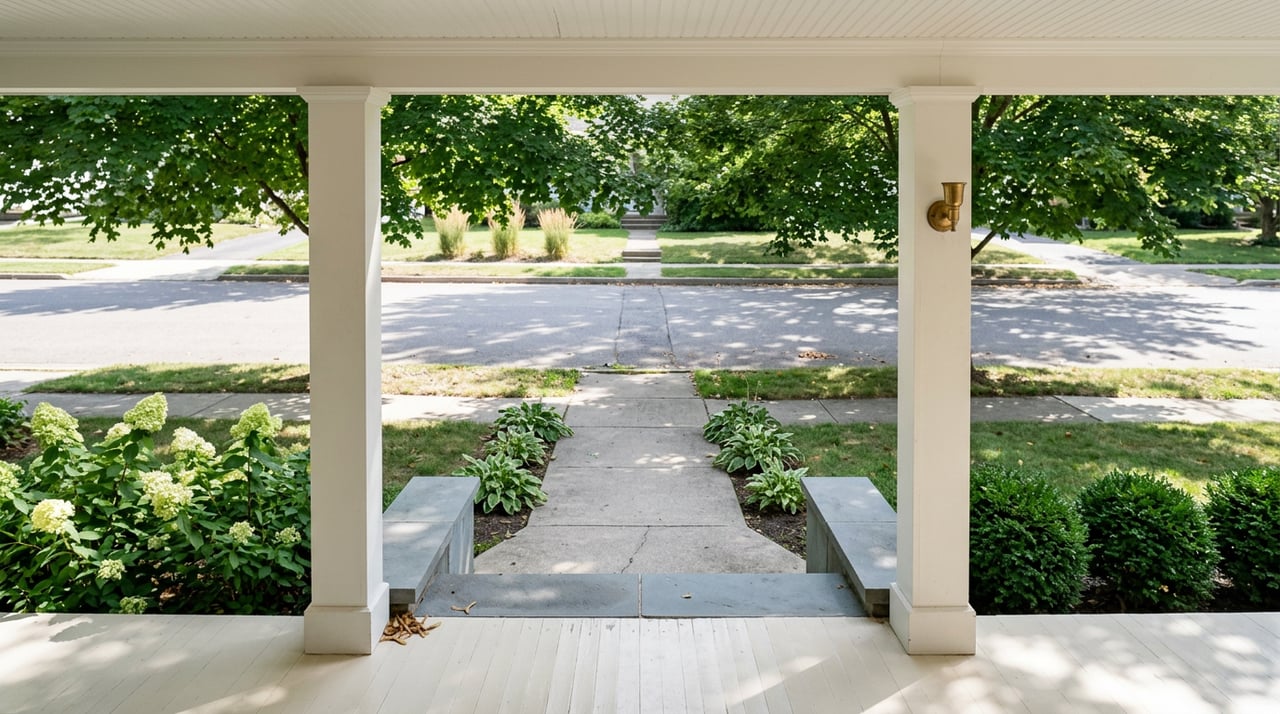
Online appeal starts before buyers reach the front door. Sweep the porch, trim plants, and keep seating simple. A porch or patio with just a few clean, well-placed pieces often looks more inviting than one packed with planters and accessories.
Keep lower-priority bedrooms simple
Guest rooms and children’s bedrooms were the least commonly staged rooms in NAR’s 2025 report. That is good news if you are trying to stage on a budget. You do not need to overdesign these spaces.
Instead, make them tidy, neutral, and obviously usable. Clear floor space, simple bedding, and minimal wall clutter are usually enough. Buyers mainly want to understand size and function.
Boost curb appeal for listing photos
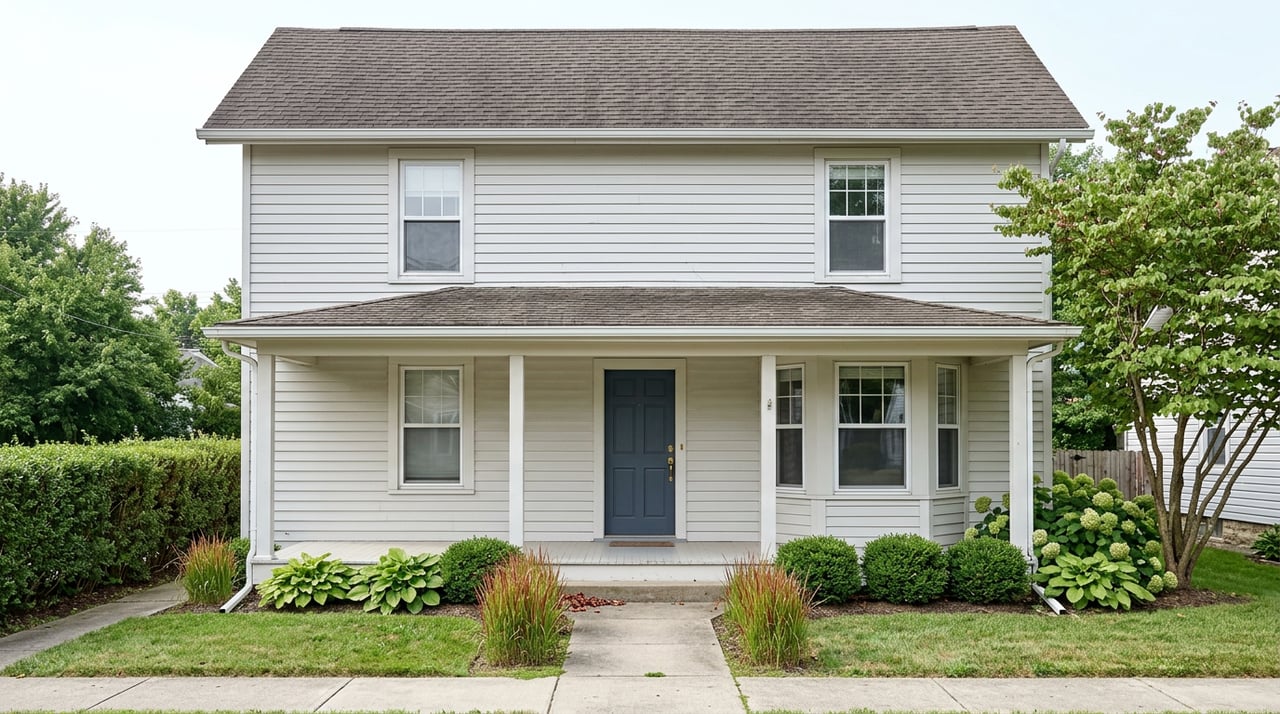
Before buyers judge your kitchen or living room, they usually see your exterior photo first. That is why curb appeal matters so much for online performance. In NAR’s 2025 report, sellers’ agents commonly recommended decluttering, whole-home cleaning, and curb appeal improvements before listing.
A few basic steps can make a big difference:
- Mow the lawn
- Trim shrubs and edge walkways
- Sweep porches and front steps
- Power-wash where needed
- Remove seasonal clutter and extra decor
- Open blinds before exterior and interior photography
For many Shippensburg homes, the exterior has real personality. If your home has a front porch, masonry details, mature landscaping, or traditional architectural elements, good prep helps those features stand out in photos.
Highlight historic character the right way
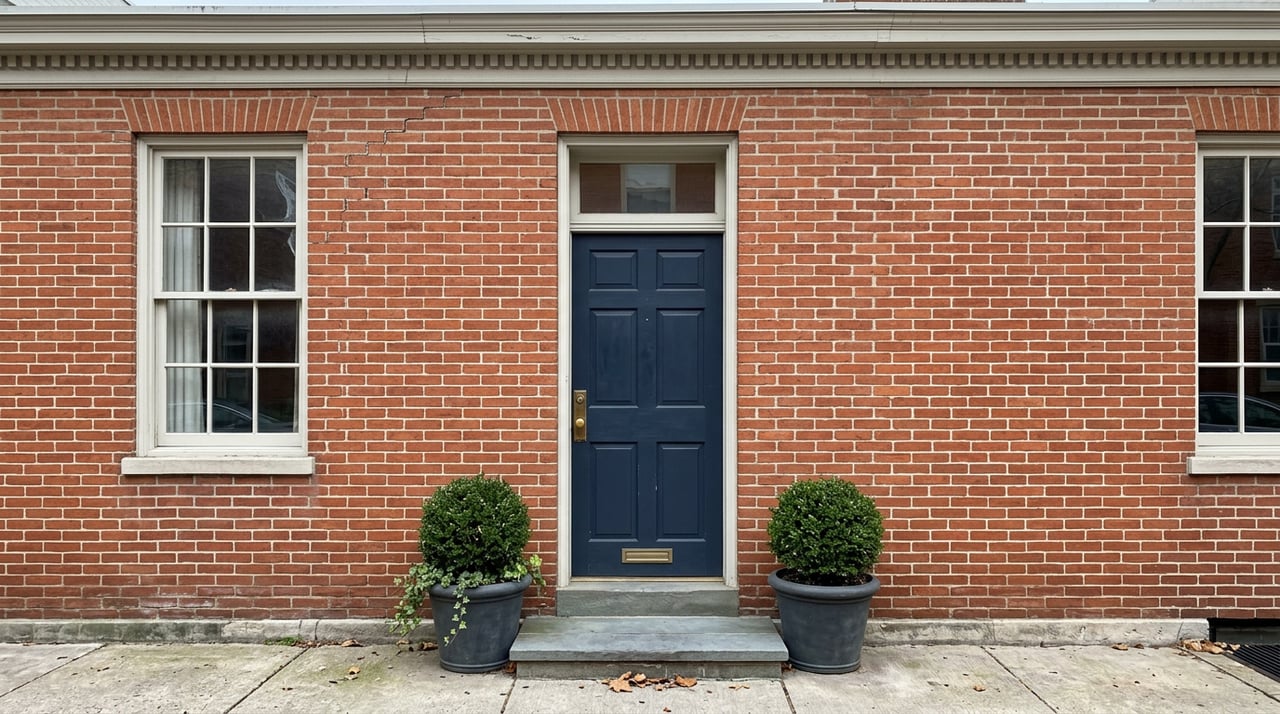
Shippensburg includes older homes and a recognized historic district, with architecture that may include log, stone, Federal, Italianate, and Queen Anne influences. If your home has original details, do not rush to hide them. Features like trim, porches, staircases, and masonry can help your listing stand out.
The goal is to frame those details so buyers notice them. Clear visual clutter around them, improve lighting, and avoid decor that competes with the home’s character. Let the architecture do some of the work.
If your property is in the historic district, remember that exterior changes visible from the street are subject to local review. That matters if you are thinking about quick exterior updates before listing. It is smart to check local rules before making visible changes.
Pair staging with strong photography
Staging and photography work best together. NAR’s 2025 data showed that sellers’ agents viewed photos as especially important to clients, with videos and physical staging also playing a meaningful role. Even a clean home can underperform online if the photography does not show its best angles, light, and layout.
That is one reason decluttering matters so much. Clean rooms photograph better, and better photos help buyers understand the home faster. Since so many buyers begin online, good presentation is part of your marketing strategy, not just a finishing touch.
Virtual staging can help an empty room feel easier to read, but it should not replace real preparation. Buyers’ agents rated photos, physical staging, videos, and virtual tours as more important than virtual staging. In most cases, the best results come from actual decluttering, thoughtful setup, and strong listing photography.
What staging may cost
Many sellers assume staging has to be expensive to be effective. In NAR’s 2025 data, the median spend was $1,500 when sellers used a staging service and $500 when the seller’s agent personally staged the home. That range gives you a realistic starting point.
You may not need a full-house makeover. In many cases, the biggest impact comes from editing furniture, cleaning thoroughly, and focusing your effort on the rooms buyers care about most. A targeted plan can go a long way.
A smart Shippensburg staging plan
If you want the short version, think practical, not perfect. Your home should look bright, clean, easy to navigate, and true to life. That combination helps buyers connect with the home online and feel good when they see it in person.
For Shippensburg sellers, that often means leading with curb appeal, focusing on the living room, primary bedroom, and kitchen, and making sure any historic or architectural details are presented clearly. In a market where buyers can compare options quickly, thoughtful staging can help your home stand out for the right reasons.
When you are ready to prepare your home for the market, working with a local agent who understands presentation can make the process much smoother. Lisa Mack brings local Cumberland Valley insight, professional staging expertise, and a marketing-first approach to help your home shine online and in person.
FAQs
Which rooms should you stage first when selling a home in Shippensburg?
- Start with the living room, primary bedroom, and kitchen, since 2025 NAR research ranked those as the highest-priority rooms for staging.
How much does home staging typically cost for Shippensburg sellers?
- NAR reported a median spend of $1,500 when sellers used a staging service and $500 when the seller’s agent personally staged the home.
Is virtual staging enough for a Shippensburg listing?
- Usually not by itself. NAR reported that buyers’ agents considered photos, physical staging, videos, and virtual tours more important than virtual staging.
How should you stage a historic home in Shippensburg?
- Highlight original features like trim, masonry, porches, and staircases, and check local borough rules before making exterior changes visible from the street if the home is in the historic district.
What improves online appeal most before listing a Shippensburg home?
- The biggest basics are decluttering, whole-home cleaning, improving curb appeal, and making sure the home is professionally presented in listing photos.